Heel Spurs vs. Plantar Fasciitis: How To Tell the Difference
- posted: Mar. 23, 2025
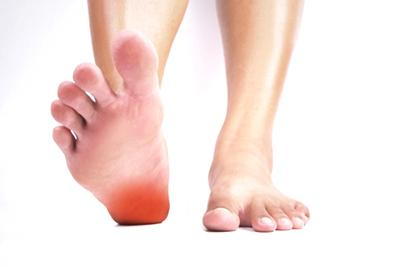
Heel pain is a common issue affecting anyone, especially those who spend a lot of time on their feet. Two of the most common causes of heel pain are heel spurs and plantar fasciitis, and while they are often related, they are distinct conditions. Understanding the differences between these two foot problems is crucial for getting the right diagnosis and treatment. Dr. Richard Cohen, Dr. Jeffrey Steinberg, and Dr. Alex Lakner at Total Foot Care serving Greenbelt and Ellicott City, MD, can explain how plantar fasciitis and heel spurs differ and how to get the care you need for each condition.
Heel Spurs Vs Plantar Fasciitis
A heel spur is a bony growth that develops on the underside of the heel bone. This abnormal growth occurs over time due to repeated stress and strain on the heel, leading to calcium deposits forming and eventually building into a bony protrusion. Heel spurs are often associated with long-term wear and tear.
Despite their reputation for causing pain, not all heel spurs are painful. In fact, many people have heel spurs and don’t realize it because they experience no symptoms. However, when pain does occur, it is often due to irritation of surrounding soft tissues rather than the spur itself.
Plantar fasciitis is an inflammatory condition that affects the plantar fascia, the thick band of tissue that runs along the bottom of the foot, connecting the heel to the toes. The plantar fascia supports the arch of your foot, and when it becomes overstretched or stressed, it can develop small tears that lead to inflammation and heel pain.
Plantar fasciitis is one of the most common causes of heel pain and tends to develop due to:
- Overuse from activities such as running, walking, or standing for long periods
- Wearing shoes without proper arch support
- Being overweight, which places extra pressure on the plantar fascia
- Tight calf muscles or Achilles tendons, which put added strain on the plantar fascia
The hallmark symptom of plantar fasciitis is sharp, stabbing pain in the heel, typically felt first thing in the morning or after periods of inactivity. The pain often decreases after moving around but may return after extended standing or walking.
It’s important to talk to your podiatrist serving Greenbelt and Ellicott City, MD, about plantar fasciitis and heel spurs to find the right form of treatment.
Contact Our Podiatrists Today
Make sure you’re getting the right treatment. Contact Dr. Cohen, Dr. Steinberg, and Dr. Lakner at Total Foot Care serving Greenbelt and Ellicott City, MD, to learn more about plantar fasciitis and heel spurs and how they differ. Call for more information and to schedule your appointment today at (301) 345-4087.
- posted: Mar. 23, 2025
Heel pain is a common issue affecting anyone, especially those who spend a lot of time on their feet. Two of the most common causes of heel pain are heel spurs and plantar fasciitis, and while they are often related, they are distinct conditions. Understanding the differences between these two foot problems is crucial for getting the right diagnosis and treatment. Dr. Richard Cohen, Dr. Jeffrey Steinberg, and Dr. Alex Lakner at Total Foot Care serving Greenbelt and Ellicott City, MD, can explain how plantar fasciitis and heel spurs differ and how to get the care you need for each condition.
Heel Spurs Vs Plantar Fasciitis
A heel spur is a bony growth that develops on the underside of the heel bone. This abnormal growth occurs over time due to repeated stress and strain on the heel, leading to calcium deposits forming and eventually building into a bony protrusion. Heel spurs are often associated with long-term wear and tear.
Despite their reputation for causing pain, not all heel spurs are painful. In fact, many people have heel spurs and don’t realize it because they experience no symptoms. However, when pain does occur, it is often due to irritation of surrounding soft tissues rather than the spur itself.
Plantar fasciitis is an inflammatory condition that affects the plantar fascia, the thick band of tissue that runs along the bottom of the foot, connecting the heel to the toes. The plantar fascia supports the arch of your foot, and when it becomes overstretched or stressed, it can develop small tears that lead to inflammation and heel pain.
Plantar fasciitis is one of the most common causes of heel pain and tends to develop due to:
- Overuse from activities such as running, walking, or standing for long periods
- Wearing shoes without proper arch support
- Being overweight, which places extra pressure on the plantar fascia
- Tight calf muscles or Achilles tendons, which put added strain on the plantar fascia
The hallmark symptom of plantar fasciitis is sharp, stabbing pain in the heel, typically felt first thing in the morning or after periods of inactivity. The pain often decreases after moving around but may return after extended standing or walking.
It’s important to talk to your podiatrist serving Greenbelt and Ellicott City, MD, about plantar fasciitis and heel spurs to find the right form of treatment.
Contact Our Podiatrists Today
Make sure you’re getting the right treatment. Contact Dr. Cohen, Dr. Steinberg, and Dr. Lakner at Total Foot Care serving Greenbelt and Ellicott City, MD, to learn more about plantar fasciitis and heel spurs and how they differ. Call for more information and to schedule your appointment today at (301) 345-4087.
Appointment Request
Taking Steps Towards Healthy Feet, Every Step of the Way!

Contact Us
Hours of Operation
Monday
8:00 am - 4:00 pm
Tuesday
8:00 am - 4:00 pm
Wednesday
8:00 am - 4:00 pm
Thursday
8:00 am - 4:00 pm
Friday
8:00 am - 4:00 pm
Saturday
Closed
Sunday
Closed
