When to See a Podiatrist for Advanced Biological Graft Treatment
- posted: Jan. 13, 2026
At Total Foot Care in Greenbelt, MD, serving patients throughout Temple Hills and Ellicott, MD, we provide advanced solutions for complex foot and ankle conditions that do not respond to standard care. One of the most effective options involves the use of a biological graft, which supports healing by working with the body’s natural repair processes. This treatment often becomes appropriate when wounds, injuries, or surgical sites struggle to heal on their own.
What Is a Biological Graft?
A biological graft uses carefully processed human or animal tissue to create a supportive framework that encourages new tissue growth. Rather than acting as a permanent implant, the graft integrates with the patient’s own tissue and gradually supports regeneration. This approach promotes blood flow, reduces inflammation, and helps restore structural integrity in damaged areas of the foot or ankle.
Biological grafts differ from synthetic materials because they actively participate in the healing process. They provide a natural scaffold that allows cells to migrate, multiply, and rebuild healthy tissue.
When a Biological Graft Becomes Necessary
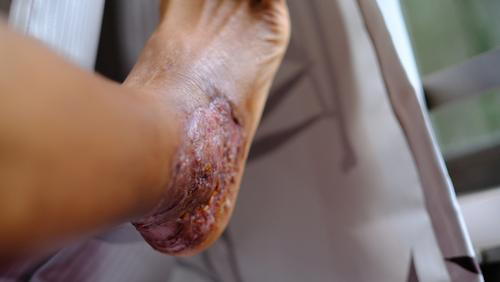
A biological graft often becomes appropriate when traditional wound care or conservative treatment fails to produce progress. Patients with chronic wounds, such as non-healing ulcers, frequently benefit from grafting. These wounds may develop due to diabetes, poor circulation, pressure, or prior trauma.
Severe foot injuries or surgical sites that show delayed healing also respond well to graft-based treatment. In these cases, grafting supports tissue strength and closure while lowering the risk of infection or further breakdown. Biological grafts may also assist patients who experience repeated wound reopening or tissue fragility.
Conditions That Commonly Benefit From Grafting
We often recommend biological graft treatment for patients with diabetic foot ulcers, traumatic wounds, post-surgical complications, and areas of tissue loss that compromise stability or mobility. Patients with vascular challenges or systemic conditions that impair healing often see improved outcomes when grafting supports natural repair.
How it Helps and When to Seek Care
Biological grafts integrate into the wound environment and encourage the body to rebuild from within. This process improves durability and helps wounds close more effectively than surface-level treatment alone. Because grafts support natural cell activity, they reduce inflammation and create a healthier environment for long-term recovery.
If a foot wound persists, worsens, or fails to heal despite appropriate care, prompt evaluation becomes essential. Early intervention often prevents complications and reduces the need for more extensive treatment later.
Schedule an Evaluation
If you struggle with a slow-healing wound or complex foot injury, advanced treatment may help. Total Foot Care proudly serves patients in Greenbelt, MD, and surrounding areas including Temple Hills and Ellicott, MD. To schedule an appointment or learn whether a biological graft fits your needs, call (301) 345-4087 today.
- posted: Jan. 13, 2026
At Total Foot Care in Greenbelt, MD, serving patients throughout Temple Hills and Ellicott, MD, we provide advanced solutions for complex foot and ankle conditions that do not respond to standard care. One of the most effective options involves the use of a biological graft, which supports healing by working with the body’s natural repair processes. This treatment often becomes appropriate when wounds, injuries, or surgical sites struggle to heal on their own.
What Is a Biological Graft?
A biological graft uses carefully processed human or animal tissue to create a supportive framework that encourages new tissue growth. Rather than acting as a permanent implant, the graft integrates with the patient’s own tissue and gradually supports regeneration. This approach promotes blood flow, reduces inflammation, and helps restore structural integrity in damaged areas of the foot or ankle.
Biological grafts differ from synthetic materials because they actively participate in the healing process. They provide a natural scaffold that allows cells to migrate, multiply, and rebuild healthy tissue.
When a Biological Graft Becomes Necessary
A biological graft often becomes appropriate when traditional wound care or conservative treatment fails to produce progress. Patients with chronic wounds, such as non-healing ulcers, frequently benefit from grafting. These wounds may develop due to diabetes, poor circulation, pressure, or prior trauma.
Severe foot injuries or surgical sites that show delayed healing also respond well to graft-based treatment. In these cases, grafting supports tissue strength and closure while lowering the risk of infection or further breakdown. Biological grafts may also assist patients who experience repeated wound reopening or tissue fragility.
Conditions That Commonly Benefit From Grafting
We often recommend biological graft treatment for patients with diabetic foot ulcers, traumatic wounds, post-surgical complications, and areas of tissue loss that compromise stability or mobility. Patients with vascular challenges or systemic conditions that impair healing often see improved outcomes when grafting supports natural repair.
How it Helps and When to Seek Care
Biological grafts integrate into the wound environment and encourage the body to rebuild from within. This process improves durability and helps wounds close more effectively than surface-level treatment alone. Because grafts support natural cell activity, they reduce inflammation and create a healthier environment for long-term recovery.
If a foot wound persists, worsens, or fails to heal despite appropriate care, prompt evaluation becomes essential. Early intervention often prevents complications and reduces the need for more extensive treatment later.
Schedule an Evaluation
If you struggle with a slow-healing wound or complex foot injury, advanced treatment may help. Total Foot Care proudly serves patients in Greenbelt, MD, and surrounding areas including Temple Hills and Ellicott, MD. To schedule an appointment or learn whether a biological graft fits your needs, call (301) 345-4087 today.
Appointment Request
Taking Steps Towards Healthy Feet, Every Step of the Way!

Contact Us
Hours of Operation
Monday
8:00 am - 4:00 pm
Tuesday
8:00 am - 4:00 pm
Wednesday
8:00 am - 4:00 pm
Thursday
8:00 am - 4:00 pm
Friday
8:00 am - 4:00 pm
Saturday
Closed
Sunday
Closed
