Flat Feet Vs. Fallen Arches: Are They The Same?
- posted: Mar. 12, 2026
At Total Foot Care in Greenbelt, MD, serving Temple Hills and Ellicott City, MD, we often hear patients use the terms flat feet and fallen arches interchangeably. In everyday conversation, they usually mean the same thing, but the causes behind the arch change matters. When we identify whether the arch never developed fully or whether it collapsed over time, we can choose treatment that addresses the real cause and helps you stay active.
Are Flat Feet and Fallen Arches the Same Condition?
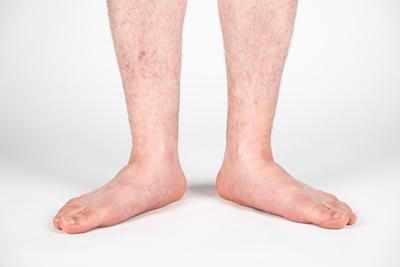
Flat feet describes a foot shape where the arch looks low or absent and more of the sole contacts the ground. Fallen arches describes how that shape can happen, meaning the arch drops from a previously higher position. Flat feet can be present from childhood or develop later due to injury, arthritis, or tendon problems. So, many people use both terms to describe the same appearance, but we treat them differently depending on how and why the arch changed.
Why Arches Change Over Time
A normal arch in the foot helps distribute weight and cushion impact. When the arch lowers, the foot can roll inward, which can strain tendons and shift stress into the ankles, knees, hips, and lower back. Flat feet can result from inherited structure and ligament laxity, but adult changes often connect to tendon overload or degeneration. We also see arch collapse after injuries, with inflammatory arthritis, or as part of aging and long-term overuse.
Signs That Suggest Flat Feet Cause Symptoms
Not everyone with flat feet has pain, but symptoms can interfere with daily routines. Many patients report aching in the arch or heel, fatigue after standing or walking, and pain that travels up the leg due to alignment strain. Some notice uneven shoe wear, ankle rolling, or difficulty finding shoes that feel stable and comfortable. If symptoms worsen or the foot shape changes quickly, we recommend evaluation to rule out tendon injury.
How We Evaluate Flat Feet
We perform a thorough assessment that includes gait analysis, a review of your medical history, and imaging when needed. We look at flexibility, alignment, and tendon strength, and we determine whether the flat foot is structural, inherited, or acquired later. This distinction guides the most effective plan.
Treatment Options That Match the Cause
We tailor treatment to symptoms, activity level, and severity. Many patients benefit from custom orthotics that support the arch and redistribute pressure. Supportive footwear can improve stability and reduce fatigue. Stretching and strengthening exercises can reduce strain on tendons and improve function, and physical therapy can help when mechanics drive pain. In more severe cases that do not respond to conservative care, we may discuss surgical correction to restore function and reduce pain.
Schedule an Evaluation at Total Foot Care
If flat feet affect your comfort, balance, or ability to stay active, we can help you understand what is happening and what to do next. Contact Total Foot Care in Greenbelt, MD, serving Temple Hills and Ellicott City, MD, at (301) 345-4087 to schedule an appointment and discuss a treatment plan built around your needs.
- posted: Mar. 12, 2026
At Total Foot Care in Greenbelt, MD, serving Temple Hills and Ellicott City, MD, we often hear patients use the terms flat feet and fallen arches interchangeably. In everyday conversation, they usually mean the same thing, but the causes behind the arch change matters. When we identify whether the arch never developed fully or whether it collapsed over time, we can choose treatment that addresses the real cause and helps you stay active.
Are Flat Feet and Fallen Arches the Same Condition?
Flat feet describes a foot shape where the arch looks low or absent and more of the sole contacts the ground. Fallen arches describes how that shape can happen, meaning the arch drops from a previously higher position. Flat feet can be present from childhood or develop later due to injury, arthritis, or tendon problems. So, many people use both terms to describe the same appearance, but we treat them differently depending on how and why the arch changed.
Why Arches Change Over Time
A normal arch in the foot helps distribute weight and cushion impact. When the arch lowers, the foot can roll inward, which can strain tendons and shift stress into the ankles, knees, hips, and lower back. Flat feet can result from inherited structure and ligament laxity, but adult changes often connect to tendon overload or degeneration. We also see arch collapse after injuries, with inflammatory arthritis, or as part of aging and long-term overuse.
Signs That Suggest Flat Feet Cause Symptoms
Not everyone with flat feet has pain, but symptoms can interfere with daily routines. Many patients report aching in the arch or heel, fatigue after standing or walking, and pain that travels up the leg due to alignment strain. Some notice uneven shoe wear, ankle rolling, or difficulty finding shoes that feel stable and comfortable. If symptoms worsen or the foot shape changes quickly, we recommend evaluation to rule out tendon injury.
How We Evaluate Flat Feet
We perform a thorough assessment that includes gait analysis, a review of your medical history, and imaging when needed. We look at flexibility, alignment, and tendon strength, and we determine whether the flat foot is structural, inherited, or acquired later. This distinction guides the most effective plan.
Treatment Options That Match the Cause
We tailor treatment to symptoms, activity level, and severity. Many patients benefit from custom orthotics that support the arch and redistribute pressure. Supportive footwear can improve stability and reduce fatigue. Stretching and strengthening exercises can reduce strain on tendons and improve function, and physical therapy can help when mechanics drive pain. In more severe cases that do not respond to conservative care, we may discuss surgical correction to restore function and reduce pain.
Schedule an Evaluation at Total Foot Care
If flat feet affect your comfort, balance, or ability to stay active, we can help you understand what is happening and what to do next. Contact Total Foot Care in Greenbelt, MD, serving Temple Hills and Ellicott City, MD, at (301) 345-4087 to schedule an appointment and discuss a treatment plan built around your needs.
Appointment Request
Taking Steps Towards Healthy Feet, Every Step of the Way!

Contact Us
Hours of Operation
Monday
8:00 am - 4:00 pm
Tuesday
8:00 am - 4:00 pm
Wednesday
8:00 am - 4:00 pm
Thursday
8:00 am - 4:00 pm
Friday
8:00 am - 4:00 pm
Saturday
Closed
Sunday
Closed
