Stress Fractures: Prevention, Signs, and When to See a Specialist.

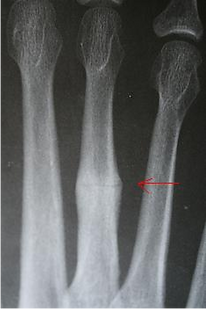
If you are an active individual, remaining active and motivated is ideal—until a sudden, nagging ache brings you to a halt. One of the most common overuse injuries that athletes face is a stress fracture. Unlike a dramatic bone break from a fall, a stress fracture is a hairline crack that develops silently over time.
Understanding how these tiny cracks form, how to spot them early, and how to heal properly can mean the difference between a minor pause and needing to be off your feet for an extended period of time.
What is a Stress Fracture?
A stress fracture is a small crack or severe bruising within a bone. It typically develops in weight-bearing bones, such as the lower leg (tibia) or the foot (metatarsals).
Our bones constantly undergo a natural process called remodeling, where old bone tissue breaks down and new tissue builds up. When you push your body hard, the muscles become fatigued and lose their ability to absorb the shock of repeated impacts. Instead of the muscles taking the brunt of the force, the stress is transferred directly to the bone, causing microscopic damage.
Common Causes: Why They Happen
Stress fractures rarely happen out of nowhere. They are usually the result of a sudden change in physical activity. The most frequent culprits include:
Doing Too Much, Too Fast: The most common cause is a sudden spike in training volume, intensity, or frequency. Increasing your weekly running mileage too quickly doesn't give your bones enough time to adapt.
Repetitive Impact on Hard Surfaces: Changing your environment—such as switching from running on a soft track or treadmill to hard concrete sidewalks—dramatically increases the shock traveling up your legs.
Improper Gear or Footwear: Worn-out athletic shoes that have lost their cushioning or structural support can alter your biomechanics and place undue stress on your bones.
Nutritional Deficiencies & Low Bone Density: If your diet lacks Calcium and Vitamin D, your body cannot build strong new bone tissue. Conditions like osteoporosis significantly elevate your risk.
Main Signs: How to Spot a Stress Fracture
Catching a stress fracture early is crucial. Look out for these telltale signs:
A Deep, Dull Ache: At first, you might notice a mild ache that only flares up during a workout.
Pain that Eases with Rest: In the early stages, the pain typically subsides when you stop moving or sit down. However, if left ignored, the pain can become constant and hurt even when you are completely resting.
Pinpoint Tenderness: If you press your finger directly onto the affected bone, it will feel intensely tender or painful at one specific spot.
Localized Swelling: You may notice mild swelling or redness on top of the foot or along the shin bone.
The Crucial Next Step: See a Specialist Immediately
If you suspect you have a stress fracture, do not try to guess your way through recovery. It is vital to schedule an appointment with a foot and ankle physician as soon as possible.
A specialist will perform a targeted physical exam and order X-rays to pinpoint the exact location and severity of the bone stress. Catching the issue in its early stages allows for a controlled treatment plan. If you ignore the warning signs and continue to push through the pain, that hairline crack can quickly progress into a displaced fracture—meaning the bone fragments completely separate. A displaced fracture dramatically complicates recovery, requiring you to be strictly non-weight bearing on crutches, or even forcing you to undergo surgery to realign the bone with pins or plates.
How to Heal: The Road to Recovery
Once you have an accurate diagnosis from your physician, healing a bone takes time, dedication, and patience.
Prioritize Strict Rest: The standard recovery window for a stress fracture is six to eight weeks. Following your doctor's specific guidance during this time ensures the bone knits back together strongly.
Pivoting to Low-Impact Workouts: Rest doesn't mean you have to sit on the couch for two months. Once the initial pain subsides, clear it with your physician to try low-impact activities like swimming, deep-water running, or stationary cycling to maintain your cardiovascular fitness.
Supportive Gear: Depending on the location of the fracture, your doctor may prescribe wearing a walking boot, using crutches, or using specialized shoe inserts to take the weight off the healing bone.
Gradual Return to Activity: When your doctor clears you to return, you must rebuild your routine slowly. Start with a walk-to-run program, and alternate days of impact with days of rest.
Takeaway
Your body is highly resilient, but bones require time to adapt to new physical demands. Listen to your body at the first sign of pinpoint bone pain, and protect your long-term mobility by getting a professional evaluation early. By prioritizing a proper medical diagnosis, optimizing your nutrition, and pacing your training, you can return to your favorite sports stronger and more resilient than before.


Comments