Don't Stay Sidelined: Understanding Foot and Ankle Fractures in Adults and Children

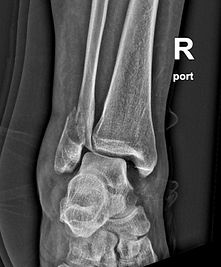
Fractures of the foot and ankle can be incredibly debilitating. In today’s fast-paced world, most people simply cannot afford to be sidelined from work, school, or sports for prolonged periods. That is why recognizing the signs of a foot or ankle injury and seeking immediate, expert care is essential—not just for an accurate diagnosis, but to ensure you get the best possible treatment plan for a full recovery.
Common Causes of Foot and Ankle Injuries
• Falls or missteps from elevated surfaces, stairs, or uneven ground.
• Severe twisting or rolling of the foot or ankle during daily activities.
• Blunt force trauma, such as being kicked, dropping a heavy object on your foot, or being stepped on.
• Sports injuries, which have risen significantly over the past few decades. As athletes remain highly active from early childhood well into late adulthood, the risk of athletic foot and ankle trauma has naturally increased.
Signs You Might Have a Fracture
• Sudden or worsening swelling and bruising around the joint or foot.
• Severe pain that makes it difficult to touch or bear weight on the area.
• An inability to stand or walk on the affected leg.
• A restricted range of motion or an inability to move the foot or toes.
• A visible deformity or misalignment of the bone.
Special Signs to Watch for in Children
Because young children may not always be able to describe exactly where or how much it hurts, look for subtle behavioral changes. A key warning sign is a regression from prior developmental milestones. For example, a toddler who was already walking confidently might suddenly refuse to stand up, insist on crawling again, or demand to be carried constantly after a minor tumble or twist.
Is it Actually a Broken Bone? Managing Expectations
It is a common misconception that all severe lower-limb injuries are fractures. To find the exact root of the issue, a professional evaluation will consider a few distinct possibilities: 1. Bone Fractures: A partial or complete break through the bone.
2. Severe Ankle Sprains: Stretching or tearing of the vital stabilizing ligaments (such as a high ankle sprain).
3. Tendon Tears or Strains: Damage to the soft tissues connecting muscle to bone, such as the Achilles or peroneal tendons.
4. Deep Bone Bruises or Contusions: Severe trauma that causes pooling of blood and intense localized pain without a structural break in the bone.
Understanding Pediatric vs. Adult Bones
• Greenstick Fractures: Since a child's bones are softer and more pliable, the bone can bend and crack on only one side, much like a young, green branch of a tree, rather than snapping completely in two.
• Growth Plate Injuries: Children have zones of developing cartilage near the ends of their long bones called growth plates. Fractures passing through these areas require highly specialized management to ensure the bone continues to grow normally and straight over time.
What to Expect During Your Evaluation
When you present to a podiatric foot and ankle surgeon, your evaluation will typically begin with a thorough physical examination. To look closely at the internal structures, your doctor will order X-rays and may recommend advanced imaging modalities—such as a CT scan or MRI—to fully evaluate the surrounding joints and soft tissues. A well-trained specialist evaluates a fracture based on a few main structural components to determine its severity: displacement, angulation, shortening, and overall stability of the fracture and its associated structures.
Diagnosis
Diagnosing a complex foot or ankle injury requires more than a basic exam. It takes a highly trained physician who can expertly interpret radiographic imaging, assess both bone and soft tissue damage, and anticipate long-term complications.
When evaluating a fracture, a foot and ankle trauma surgeon looks closely at four critical components:
Displacement: How far the bone fragments have moved out of place.
Angulation: The angle at which the bone has shifted.
Shortening: Whether the bone pieces have compressed or shortened.
Stability: The overall integrity of the bone and surrounding structures.
For example, if an ankle fracture fragment shifts by more than 2 millimeters, it is considered displaced. While 2 millimeters sounds microscopic, this tiny shift allows the ankle joint to slip out of its normal position. Left unaddressed, this instability can delay healing and significantly increase the risk of painful post-traumatic arthritis down the road.
Immediate First Aid: The RICE Protocol
• Rest: Stay off the injured limb and avoid bearing weight.
• Ice: Apply ice packs wrapped in a thin towel for 15–20 minutes at a time.
• Compression: Use a supportive, elastic bandage to limit fluid buildup.
• Elevation: Keep the foot raised above the level of your heart.
Comprehensive Treatment Paths for a Safe Recovery
• Non-Surgical Stabilization: For stable, non-displaced fractures, care focuses on immediate immobilization using a protective plaster cast, a supportive splint, or a CAM walking boot.
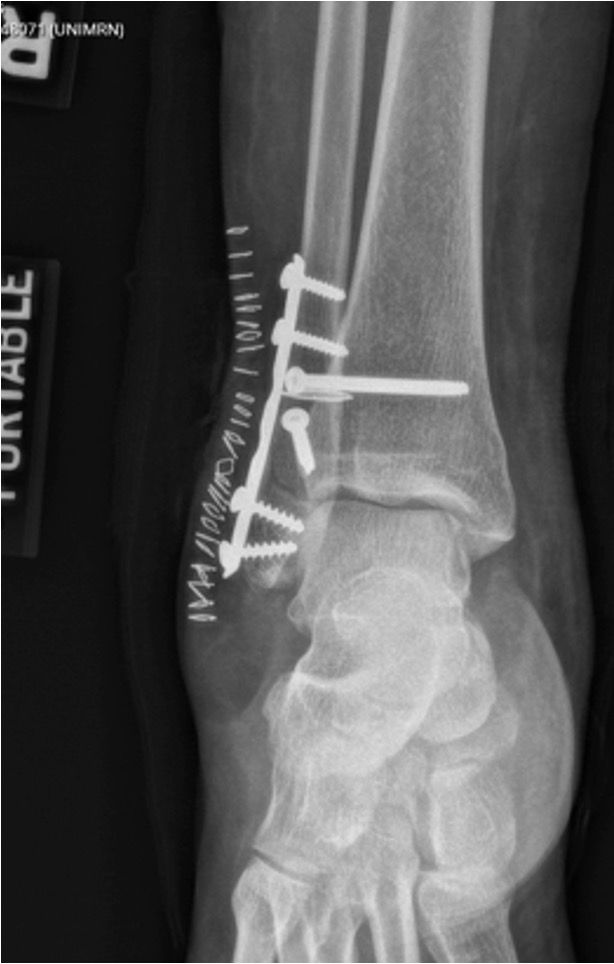
• Surgical Reconstruction: For unstable or displaced breaks, timely surgical intervention (such as ORIF) utilizes small plates, screws, or pins to precisely realign bone fragments and restore joint stability.
• Structured Rehabilitation: Physical therapy safely rebuilds range of motion, muscle
strength, and balance, minimizing your risk of re-injury.
Your Healing Timeline and the Shift Away from Casts
Today, foot and ankle specialists take a much more proactive approach to fracture care. The goal isn’t just to make sure your bone heals—it’s to get you back on your feet as quickly and safely as possible, with low risk of complications or re-injury. Because everyone uses their feet differently, your surgeon will look closely at your personal lifestyle and daily activities to align your recovery goals with the right treatment plan.
While a broken bone can take up to a year to completely remodel and fully regain its original strength, the primary healing window is usually between 6 and 8 weeks. Medical evidence shows that gently moving the joint early in the recovery process reduces swelling and helps you return to normal activities much sooner.
This focus on early movement is changing how doctors protect your injury. "I no longer cast patients, but opt for a CAM boot for fracture care," says Dr. Joshua Moore of Total Foot Care. "While my patient may not be able to walk immediately, they can at least have access to the fractured area for icing and performing range of motion exercises which in my experience has vastly improved the quality of life post fracture and decreased the amount of time between injury and return to normal activity for my patients."
Critical Pain Medication Safeguards
• Adult Medication: Over-the-counter options like Tylenol can help manage discomfort, but masking pain does not mean it is safe to walk. Double-check the physical label to confirm accurate dosage limits and safety instructions.
• Pediatric Warning: Never give pain medications to an infant or young child without consulting a pediatrician or pharmacist first. Dosing must always be calculated based on the child's weight, not age.
Take the First Step Toward Recovery
A foot or ankle fracture requires expert attention to heal correctly and get you safely back on your feet. Don't risk prolonged pain or future complications by waiting.
Call Total Foot Care today at (301)345-4087 to schedule an evaluation or visit our website, www.totalfootcaremd.com to book your appointment online. Let us help you get out of the walking boot and back into the game!


Comments